Canada signals reset in energy and trade ties with India
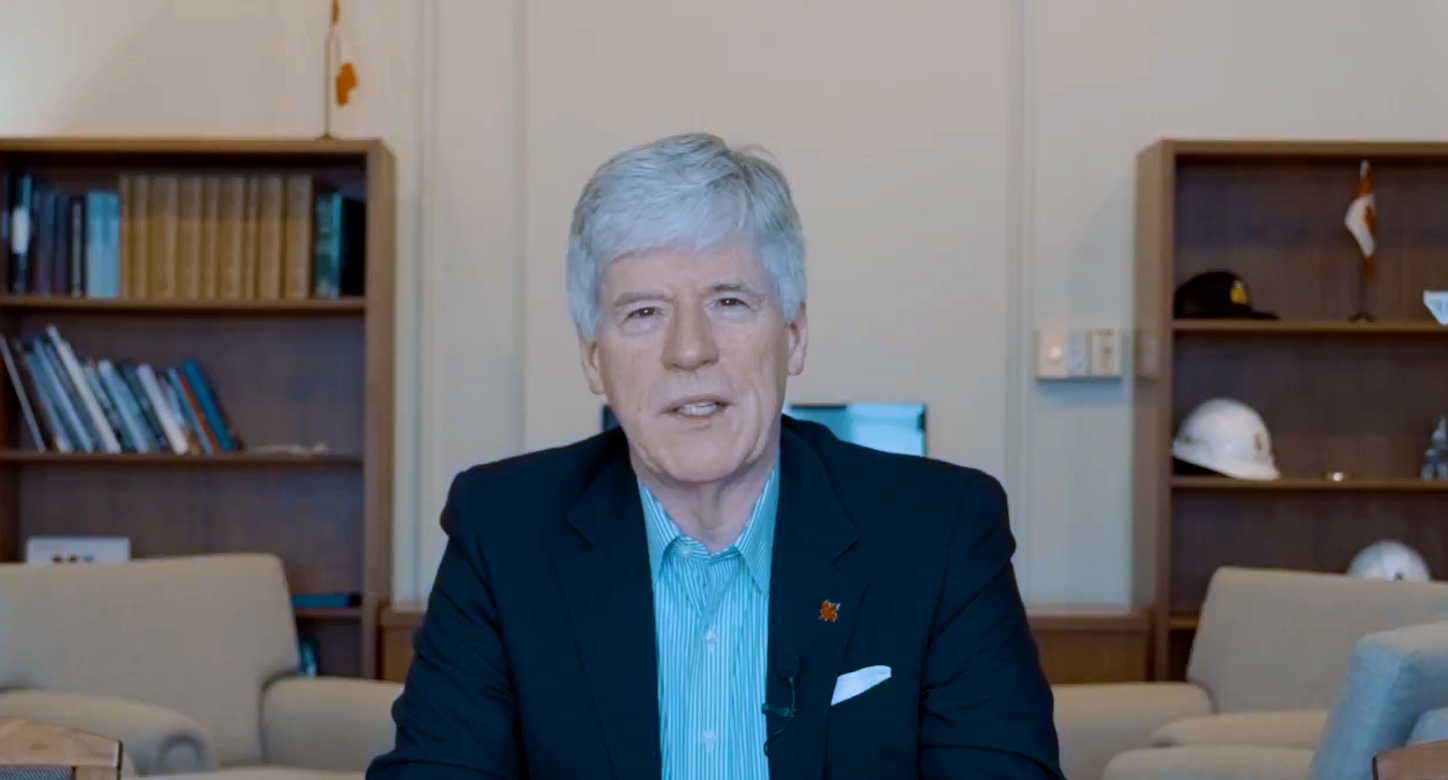
‘The path to being an energy superpower runs through India in many ways for Canada,’ says Natural Resources Minister Tim Hodgson. / SCREENSHOT
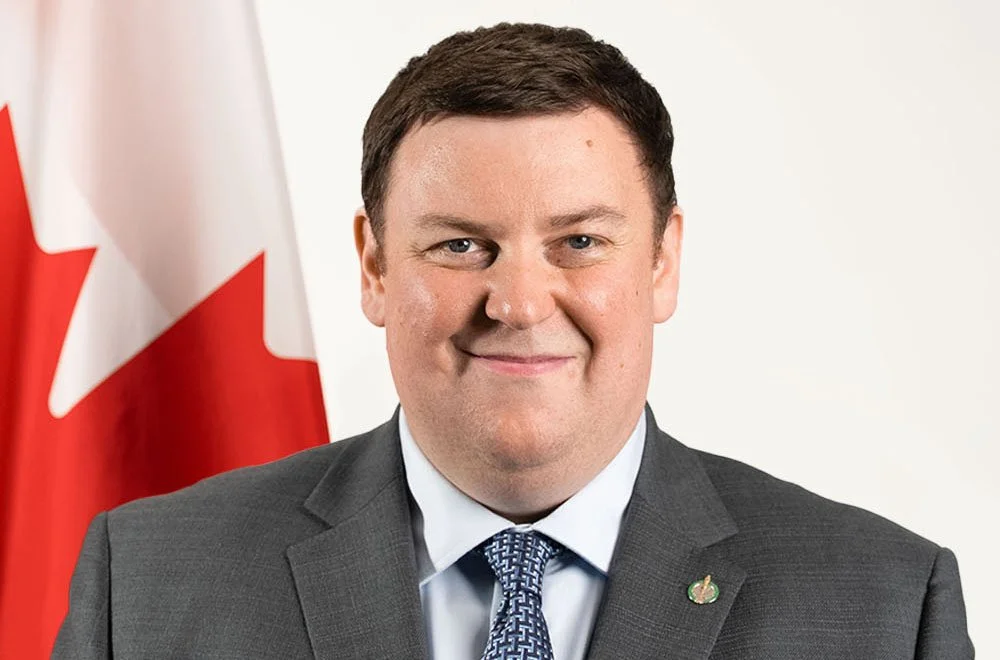
Canada is repositioning India as a cornerstone of its global energy and trade strategy, following a visit by Natural Resources Minister Tim Hodgson, to India Energy Week in Goa, Jan. 27-30, and a series of senior-level meetings in New Delhi.
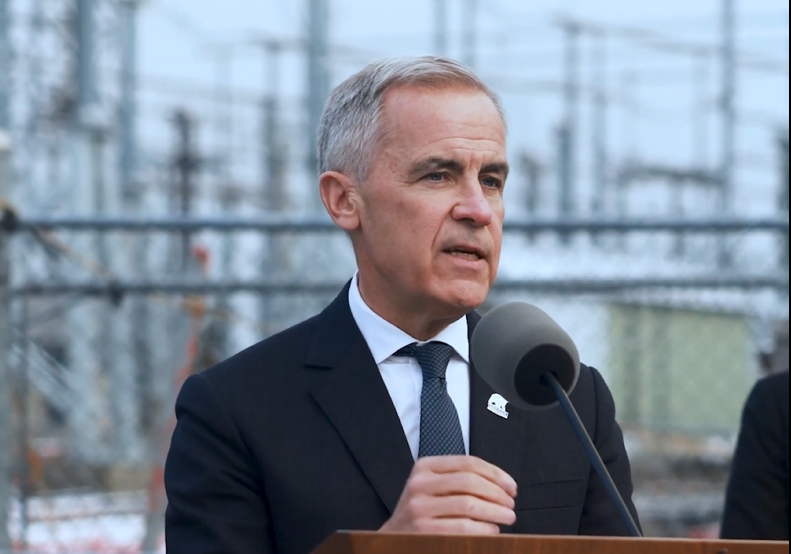
The trip came in anticipation of Prime Minister Mark Carney’s expected trip to India in March, where the two countries are preparing to launch talks on a comprehensive trade deal. India is in the market for new trading partners, having signed a free trade agreement with the EU on Tuesday, which the head of the EU’s executive branch called the “mother of all deals.”
Speaking at a virtual press conference after returning from India, Hodgson said the trip marked “a clear shift” in how Canada engages with the global economy and with India in particular — one of the fastest-growing energy markets in the world.
“This was the first time a federal Canadian minister has attended India Energy Week,” Hodgson said. “This signals a refresh in our relationship with one of the world’s fastest-growing economies.”
India’s energy consumption is expected to more than double by 2040, with demand growth roughly equal to that of China and Southeast Asia combined. Hodgson argued that if Canada is serious about being an energy and resources superpower, engagement with India is no longer optional.
“As I said on stage in Goa, the path to being an energy superpower runs through India in many ways for Canada,” he said.
Reviving energy ties
A centrepiece of the visit was the formal relaunch of the Canada–India Ministerial Energy Dialogue alongside Hardeep Singh Puri, India’s Minister of Petroleum and Natural Gas. The two ministers released a joint statement supporting sustained government-to-government engagement across oil and gas, LNG and LPG, carbon capture and storage, renewables, biofuels, and clean technologies.
Hodgson emphasized that the dialogue is particularly significant in India’s energy landscape, where many major firms are state-owned or state-directed.
“This dialogue is essential in the Indian context… providing a clear signal to major Indian investors and importers to look at Canada as a priority,” he said, adding that it gives Canadian companies “a direct line into one of the most important energy markets in the world.”
Energy exports were a central focus of the discussions, as India looks to rapidly expand its energy supply to meet surging demand, creating significant opportunities for Canada. Indian refiners, already sourcing Canadian crude through the U.S. Gulf Coast, also expressed strong interest in accessing oil from Canada’s West Coast.
Canada and India also discussed critical minerals cooperation, with Hodgson and India’s Secretary of the Ministry of Mines Piyush Goyal agreeing to formalize Canada and India’s cooperation on critical minerals in the coming weeks. Hodgson also met with India’s renewable energy minister and minister of heavy industries to discuss opportunities in both sectors.
“This trip strengthened Canada's position as one of the most important energy and growth markets in the world," he added.
Indian High Commissioner comments
While India has long seen Canada to be the “younger brother” of the United States, the tide is changing, according to the Indian high commissioner to Canada.
“For a long time, Canada was seen as a younger brother of the U.S. — that if you want Canada to do anything, just get the U.S. to do it and Canadians will follow,” said Dinesh Patnaik, the envoy.
Patnaik told the Globe and Mail that India believes Carney is carving out a more independent role for Canada, citing his Davos speech as an example.
Now that India has concluded talks with the EU, Patnaik said his country’s trade negotiators have increased capacity to focus on a deal with Canada and expects it will take a year to reach one.
He added that he anticipates a uranium supply deal between India and Canada will be announced during Carney’s trip.
Indian investors are keen on buying stakes in Canadian resources. “There’s a large number of people in India who are very interested in investing in infrastructure, oil and gas, minerals, critical minerals, rare earths, artificial intelligence,” Patnaik said.
Though red tape has been a major concern, Carney’s efforts to attract investors and expedite major projects are also helping change perceptions.
“I have a feeling that under your new Prime Minister, investors are more confident that things will be done faster,” he said.