Earls to Belanger: ‘Keep bringing rural to the table’
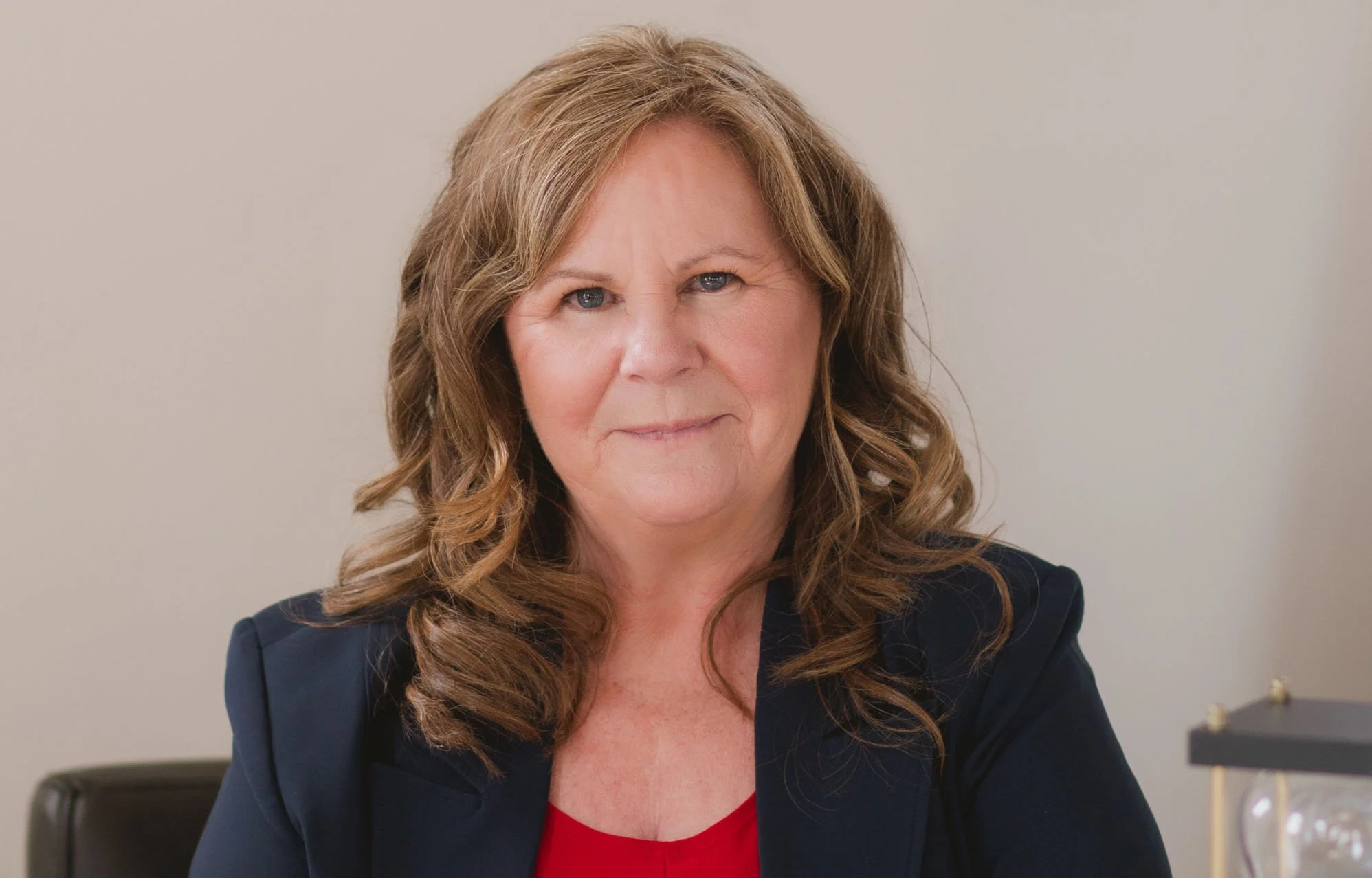
Rural Canada must be top of mind for decision makers, especially when it comes to thinking about infrastructure, supply chains, trade, transportation and more during this time of uncertainty, says Kimberly Earls, Executive Director of the Rural Ontario Institute. / ROI PHOTO
Rural Ontario faces the same challenges that urban communities are tackling — labour shortages, housing, affordability, access to services, connectivity and population changes, to name a few — but the solutions require a different lens, says Kimberly Earls, Executive Director of the Rural Ontario Institute (ROI).
They’re “the same issues in some respects as we all face as Canadians,” Earls told The Rural Roundup. “We just need to look at those with a different lens. We have different tools in our toolboxes to address those things.”
Earls, who lives in Norfolk County, Ont., joined the ROI six months ago, following her time as the executive director of the South Central Ontario Regional (SCOR) Economic Development Commission, where she oversaw strategic planning, board governance, stakeholder engagement, and the execution of high impact initiatives. She has more than 15 years of experience working to strengthen community competitiveness in transit, workforce development, energy infrastructure and agrifood systems. She also teaches part-time at Fanshawe College. Earls previously owned a construction and masonry business with her husband.
She said she previously partnered with ROI and saw “how action-oriented it was” and how much of an impact it had on communities. She didn’t hesitate at the opportunity to join and said it has been a rewarding experience so far.
“There's a lot happening in rural Ontario and rural Canada, so it's a really interesting time to be in that space right now for sure,” she said.
When asked to describe rural Ontario in one word, she said “capable.”
Rural Canadians have ‘so many strengths’
“Folks in rural Ontario, we really tend to be solutions based. We're close-knit, sort of by necessity, but also, because that's the type of folks that are drawn to rural areas and rural communities,” she said. “We have so many strengths and innovations that are developed in rural Ontario and rural Canada. If I had to choose just one word, it would be capable.”
According to provincial statistics:
In 2025, employment in rural Ontario represented 14.9% (1,223,500 jobs) of all provincial employment.
In 2024, rural Ontario’s GDP was estimated to be $116.5 billion (chained 2017 dollars) or 13.3% of Ontario’s total GDP.
In December 2025, 13.6% of Ontario’s businesses were in rural areas. That’s about 275,488 businesses.
Additionally, the agri-food industry in Ontario contributes nearly $51 billion to the province’s GDP and employs over 871,000 people — representing one in nine jobs. There are more than 48,000 farms that produce 200 commodities, making up 54 per cent of the food consumed in the province. And more than $26 billion worth of Ontario agri-food products are exported.
Earls said the current geopolitical and trade uncertainty has affected rural Ontario.
“Some of the unpredictable things that have been happening over the past few months, a year or so, have had a huge impact,” she said, adding that how rural communities are faring is an indicator of how the rest of the country is doing. “Right now, we're uniquely positioned in that lots of eyes are on Canada and particularly, how we're managing things in rural communities.”
Investing in the next generation of rural leaders
One key policy solution is to ensure that governments and communities are investing in the next generation to develop leaders who stay in rural areas to tackle the unique challenges they face, Earls said. That means having the resources, tools and capacity in local communities to identify what’s needed, bringing partners to the table and collaborating on solutions.
“One of our key pillars is building leadership, building that capacity, and that is the key to any solutions-based approach, but particularly in rural areas. It’s making sure that we have those resources to educate, train and to spark us into thinking about leadership.”
“If we are not investing in leadership tools, if we are not creating the next generation of rural leaders and helping young people to see how they can envision themselves in rural Ontario and rural Canada, then I think we're doing ourselves a disservice.”
ROI’s Rural Change Makers program is one example of that approach. Melanie Bidiuk, ROI Communications & Program Manager, explained that the program is a free initiative for emerging leaders aged 18 to 35. Participants receive training and skill development, then apply those skills through community-based leadership projects.
The program’s participants are highly diverse, including entrepreneurs, elected officials, economic development officers, medical students, and people at different stages of education. ROI partners with 24 First Nations in Northwestern Ontario, and about half of participants are equity-deserving, Bidiuk said.
Participants have used their training to launch businesses and nonprofits, develop policy, support Indigenous identity, improve mental health and well-being, strengthen food security, create social enterprises and more, Bidiuk said.
“These are all examples of what changers do with the program, and it is remarkable,” she said. “It speaks exactly to how in rural communities, you can equip people with the skills and the tools, but it's how they use them in their own unique ways to address their own uniquely rural priorities in a very hyperlocal way.”
“If we are not creating the next generation of rural leaders and helping young people to see how they can envision themselves in rural Ontario and rural Canada, then I think we’re doing ourselves a disservice.”
Earls said she is encouraged by the attention rural Canada is getting on the national front. It’s a “really strong indicator” that all Canadians and public policymakers understand the region’s importance. “All of those things are necessary for us to succeed wherever we are,” she said.
When asked if she had advice for Secretary of State (Rural Development) Buckley Belanger, who is working on a Rural Development Action Plan, Earls said it’s important to build on what’s already taking place and not reinvent things.
She noted for example that ROI has significant data tools on housing, relationships in a variety of sectors and innovations that can be scaled and modified.
“Keep bringing rural to the table,” she said. “The listening also needs to be constantly evolving and changing.”
Rural Canada must be top of mind for decision makers, especially when it comes to thinking about infrastructure, supply chains, trade, transportation and more during this time of uncertainty, she said.
“If we're not doing rural well, we're missing some great opportunities.”