Epp pledges to speak up for the rural and remote
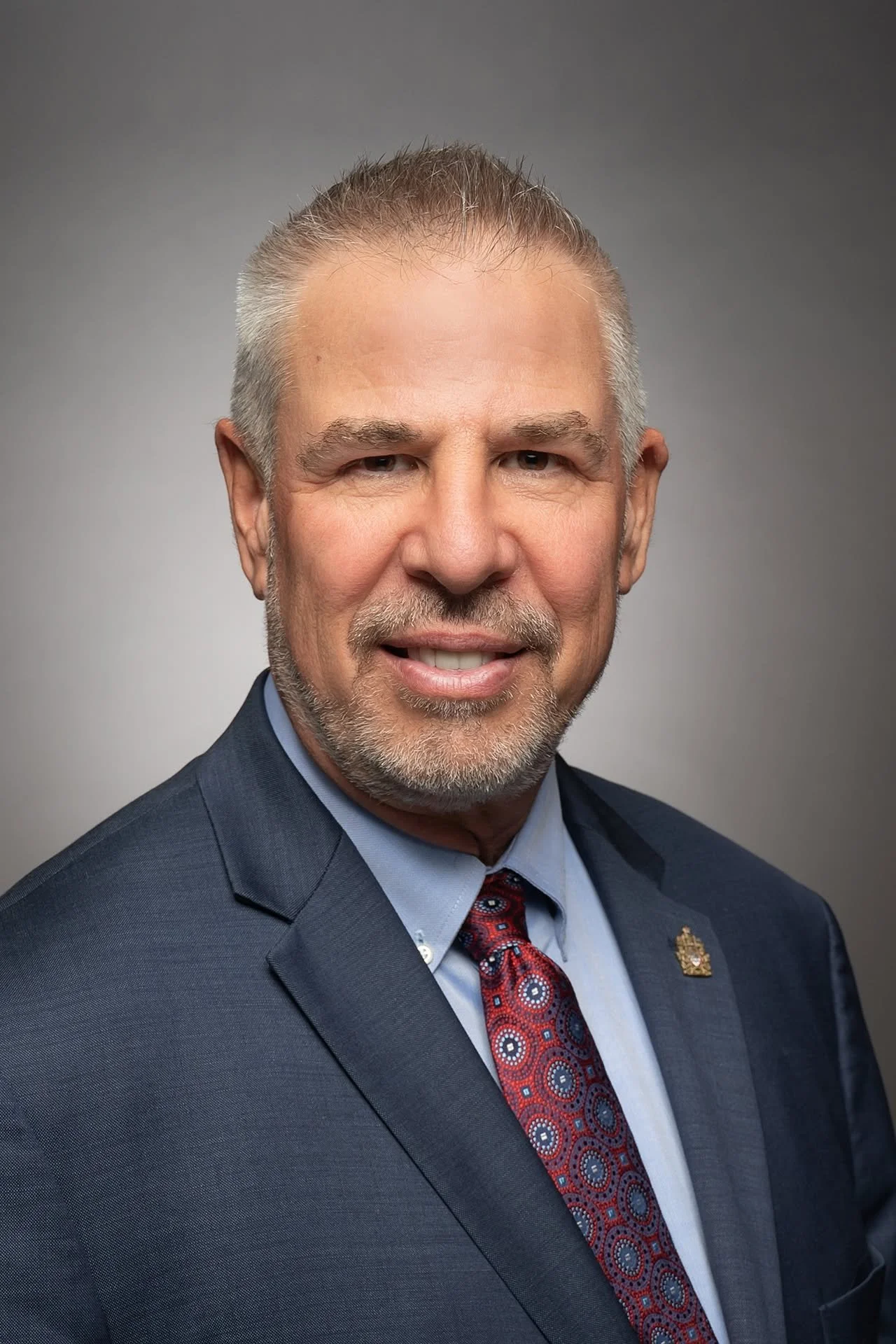
‘Rural Canada is the backbone of our country, whose communities feed the nation, power our economy, steward our natural resources and reflect the values of hard work, resilience and innovation that define Canada,’ says Conservative MP Dave Epp. / FACEBOOK PHOTO
The Liberal government's upcoming rural economic development strategy should focus on reducing regulatory burden and apply an economic lens that supports quality of life and drives GDP, says Conservative MP Dave Epp, who was recently appointed his party’s rural development critic.
“The speed of our regulatory processes needs to improve and needs to be streamlined,” he told The Rural Roundup, adding that duplication between federal and provincial regulators also needs to be addressed.
In a statement after being appointed, Epp said he was “deeply honoured and grateful” for the new role. “It is a welcome opportunity to now advance and advocate not only for the people of Chatham-Kent-Leamington, but for rural and remote Canadians from coast to coast to coast. Rural Canada is the backbone of our country, whose communities feed the nation, power our economy, steward our natural resources and reflect the values of hard work, resilience and innovation that define Canada.”
He said that his focus will be on the “full range of issues that shape rural life” from agriculture and agri-food to infrastructure, environmental conservation, Indigenous partnerships, connectivity, education, health care, affordable housing, economic development, transportation and more.
“You know, it's a bit of an irony when I say focus and then list about 23 different areas,” he said. “I'm trying to think of an issue that's a rural development issue in Canada that doesn't overlap with another portfolio, and I can't.”
Epp was first elected in 2019. He previously served as the Conservative critic for Agriculture and Agri-food. Prior to politics, he was the chair of Agricorp, served as the Ontario and Quebec regional representative for the Canadian Foodgrains Bank, and was chair of the Ontario Processing Vegetable Growers. As an MP, he sits on the House of Commons Agriculture and Agri-Food committee and has focused on inland water issues, such as shoreline erosion and water quality.
Industrial carbon tax remains a ‘hindrance’
On the federal government's push to build a more unified domestic economy amid trade uncertainty, Epp said the industrial carbon price remains a cost pressure on rural Canadians and a competitive disadvantage for Canadian firms relative to the United States. “Yes, the consumer-facing carbon tax has been removed, but the industrial carbon tax remains,” he said, describing it as “a hindrance from a twofold perspective,” raising input costs domestically while limiting the ability of value-added industries to compete internationally.
Epp also identified resolving interprovincial trade barriers as an immediate target. Removing them, he said, would increase GDP seven per cent. He called for “stronger federal leadership” on the file.
Epp argued that federal, provincial and municipal governments need clearer jurisdictional boundaries to avoid duplicating services. “There's only one taxpayer,” he said. “Don't play in each other's jurisdiction.”
He noted the rural infrastructure deficit also needs to be addressed.
“Infrastructure is needed in urban Canada as well, but you know, if we're talking pipelines or rail bridges, the rail bridge in Vancouver, right in the city of one of Canada's largest metropolitan areas, has a rural economic development aspect to it. There's only one bridge to get so many of our Prairie exports to port. That's a rural development issue,” he said.
He told The Rural Roundup that he is spending the summer consulting with Canadians in rural and remote communities. When asked if the government should adopt a rural lens on public policy, Epp said, “Absolutely.”
“Rural Canadians deserve a government that understands their reality and delivers practical solutions,” he said in his statement. “When rural Canada succeeds, all of Canada succeeds.”