
Homelessness surging in rural, Northern Ontario, report finds
ISTOCK PHOTO
Homelessness in rural and Northern Ontario is rising faster than anywhere else in the province, outpacing growth in urban centres while communities face fewer resources to respond, according to a new report by the Association of Municipalities of Ontario (AMO).
The report, Municipalities Under Pressure One Year Later: An Update on the Human and Financial Cost of Ontario’s Homelessness Crisis, estimates about 12,800 people were homeless in rural and northern areas in 2025—an eight-per-cent increase from 2024 and a 50-per-cent jump since 2021—out of roughly 85,000 people experiencing homelessness across Ontario. While Northern Ontario accounts for just five per cent of the province’s population, it represents 10 per cent of homelessness, the report found. Homelessness is also disproportionately affecting Indigenous people, who make up at least 13 per cent of the homeless population despite being about three per cent of Ontario’s population.
AMO executive director Lindsay Jones said homelessness is no longer confined to large cities. “It really is, I think, an indictment of failing social systems, particularly in the North,” she told The Globe and Mail. “Incomes are just not growing at the same level as expenses, and the level of investment in social supports is not keeping pace with that gap.”
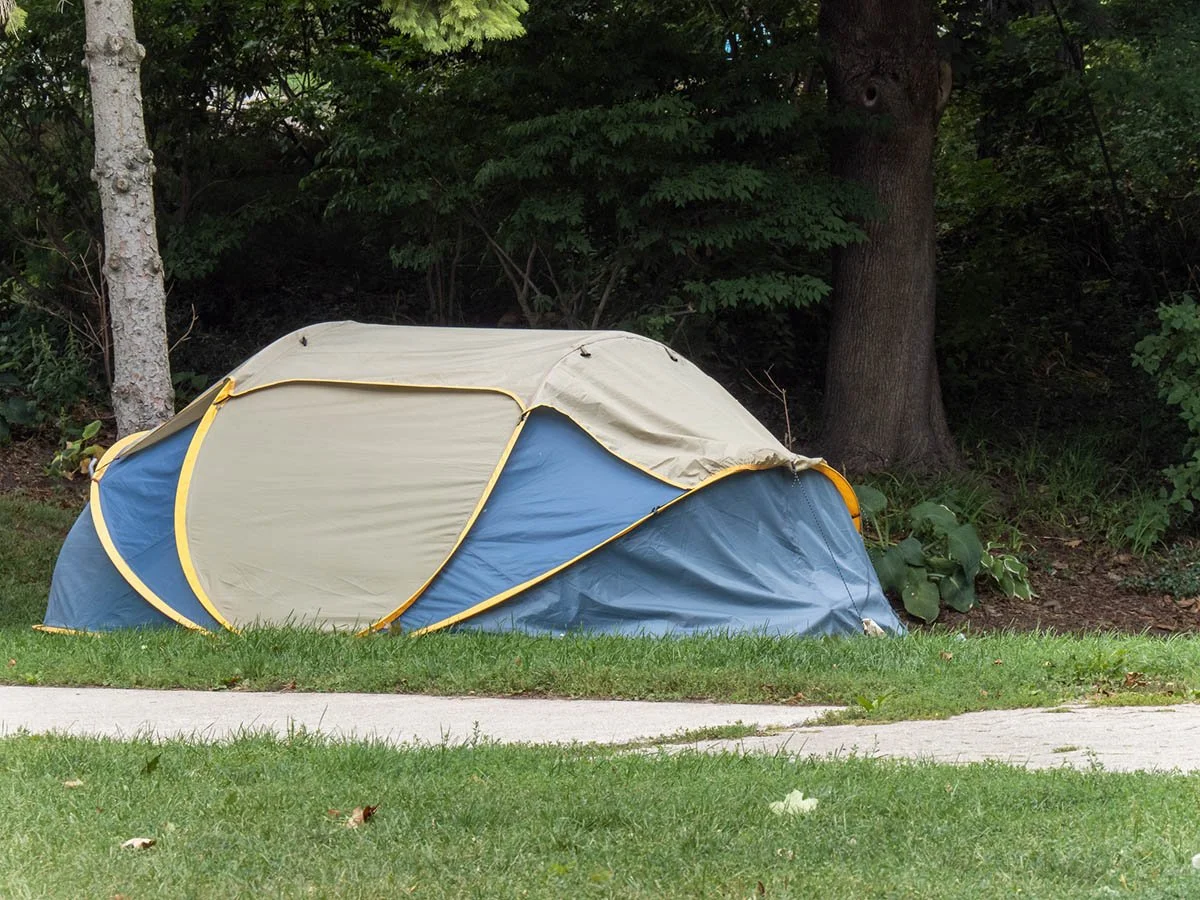
The report, based on data from 47 municipal service managers, found more than half of people experiencing homelessness are chronically homeless and that encampments continue to grow, with nearly 2,000 recorded across the province last year. Smaller communities are struggling to respond amid the toxic drug crisis and limited access to mental health services.
In Sault Ste. Marie, Mayor Matthew Shoemaker said homelessness is increasingly visible and complex. “A lack of access to mental health services is driving more people to drug use and the drugs are much more dangerous than a generation ago,” he told The Globe, adding that solutions require a “wholistic approach” including more supportive housing and shelter spaces.
Timmins Mayor Michelle Boileau also said her city’s emergency shelters have been over capacity for months. “It’s obvious that the emergency shelter isn’t actually the resource that many people need, but they just don’t have access to those resources,” she said, noting that about 75 per cent of people experiencing homelessness require round-the-clock support.
The AMO is calling for an immediate $2-billion investment over three years for social services and supportive housing, along with $11-billion over a decade to build affordable housing.
While Ontario Premier Doug Ford said the province has spent hundreds of millions on homelessness, Municipal Affairs and Housing Minister Rob Flack said the government is reviewing options. “We’ve always been accommodating, as best we can, and we’re going to take a look at every option,” he told The Globe.