Much more funding needed to deal with rural housing insecurity, network says
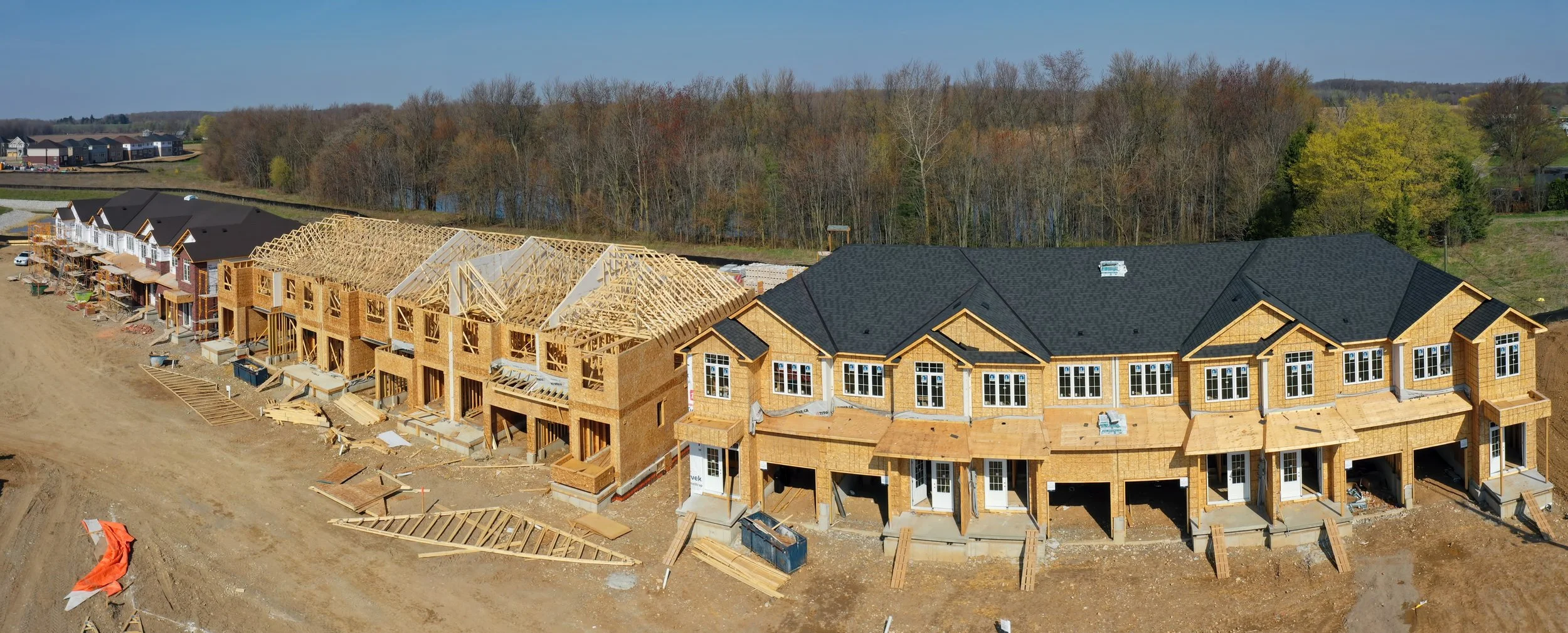
ISTOCK PHOTO
The Rural Development Network (RDN) is urging the federal government to strengthen Canada’s response to housing insecurity and homelessness in rural, remote and Indigenous communities ahead of Budget 2026.
In its pre-budget submission to the House of Commons Finance committee, the organization says these communities face growing needs but continue to experience funding shortages, limited staffing, data gaps and barriers to developing housing projects.
“Homelessness in rural Canada is growing, yet rural communities continue to receive disproportionately limited funding and support compared to urban centres,” the submission says. “Rural, remote and Indigenous communities also face additional barriers related to staffing capacity, federal reporting requirements, coordinated access implementation, and access to culturally appropriate support.”
Approximately 30% of Alberta's population resides outside its seven major cities, where the RDN 2025 Alberta Housing and Service Needs Estimation identified 5,315 individuals experiencing housing insecurity across 64 participating communities. This crisis disproportionately affects vulnerable groups, with 88% of Indigenous respondents, 89% of racialized respondents, and 90% of 2SLGBTQIA+ respondents reporting housing insecurity.
As the Reaching Home Rural and Remote Homelessness Community Entity for Alberta, RDN faces an acute resource deficit despite utilizing flexible, community-based funding. During the 2026–2028 Call for Proposals, RDN received 70 applications requesting over $12 million against an available pool of just $4.8 million, while overall community operational and capital needs surpassed $92 million.
The group is calling for expanded federal homelessness funding, greater investment in rural housing data and capacity building, and dedicated funding for early-stage housing development.
RDN also wants stronger coordination among federal housing agencies, arguing that a renewed National Housing Strategy should ensure rural, remote and Indigenous communities can access and benefit from federal housing programs.