Bill C-38, the Canadian Fuel Affordability Act, extends the federal fuel excise tax suspension until Jan. 31, 2027, followed by a 50 per cent reduction in February and March before the full tax returns April 1. / UNSPLASH PHOTO
MPs representing rural and remote communities are warning that temporary federal fuel tax relief will do little to address the long-term financial pressures facing farmers, small businesses and households that depend on gasoline and diesel.
During an Oct. 20 House of Commons debate on Bill C-38, the Canadian Fuel Affordability Act, Conservative MPs from northern Ontario, Saskatchewan and Newfoundland and Labrador argued that high fuel prices are disproportionately affecting rural Canadians, where long travel distances, limited public transit and dependence on trucking make transportation an unavoidable expense.
The legislation would extend the federal fuel excise tax suspension until Jan. 31, 2027, followed by a 50 per cent reduction in February and March before the full tax returns April 1.
Jim Bélanger, Conservative MP for Sudbury East—Manitoulin—Nickel Belt, said the legislation provides welcome relief but fails to recognize the realities of rural and northern communities.
"People in my region drive because they have to. They drive to work. They drive to school. They drive to medical appointments. They drive drive in order to buy groceries and to visit family," Bélanger told the House.
"Unlike residents of major urban centres such as Toronto or Ottawa, northern Ontarians do not have the option of taking public transit to get around."
Bélanger, who previously operated a wholesale petroleum business, said fuel represented more than 30 per cent of his operating costs. He argued that temporary tax reductions would not provide the predictability rural businesses need.
"Northern Ontarians need lasting relief that recognizes a simple reality, which is that in our part of the country, transportation is not optional and every extra cent at the pump comes out of a family budget or small business trying to make ends meet."
In Saskatchewan, Conservative MP Jeremy Patzer highlighted the impact of diesel prices on agricultural production and rural manufacturing.
Patzer, who represents Swift Current—Grasslands—Kindersley, said farm bulk diesel prices in his region increased from $1.38 to $1.95 per litre over seven days in April, during preparations for spring seeding.
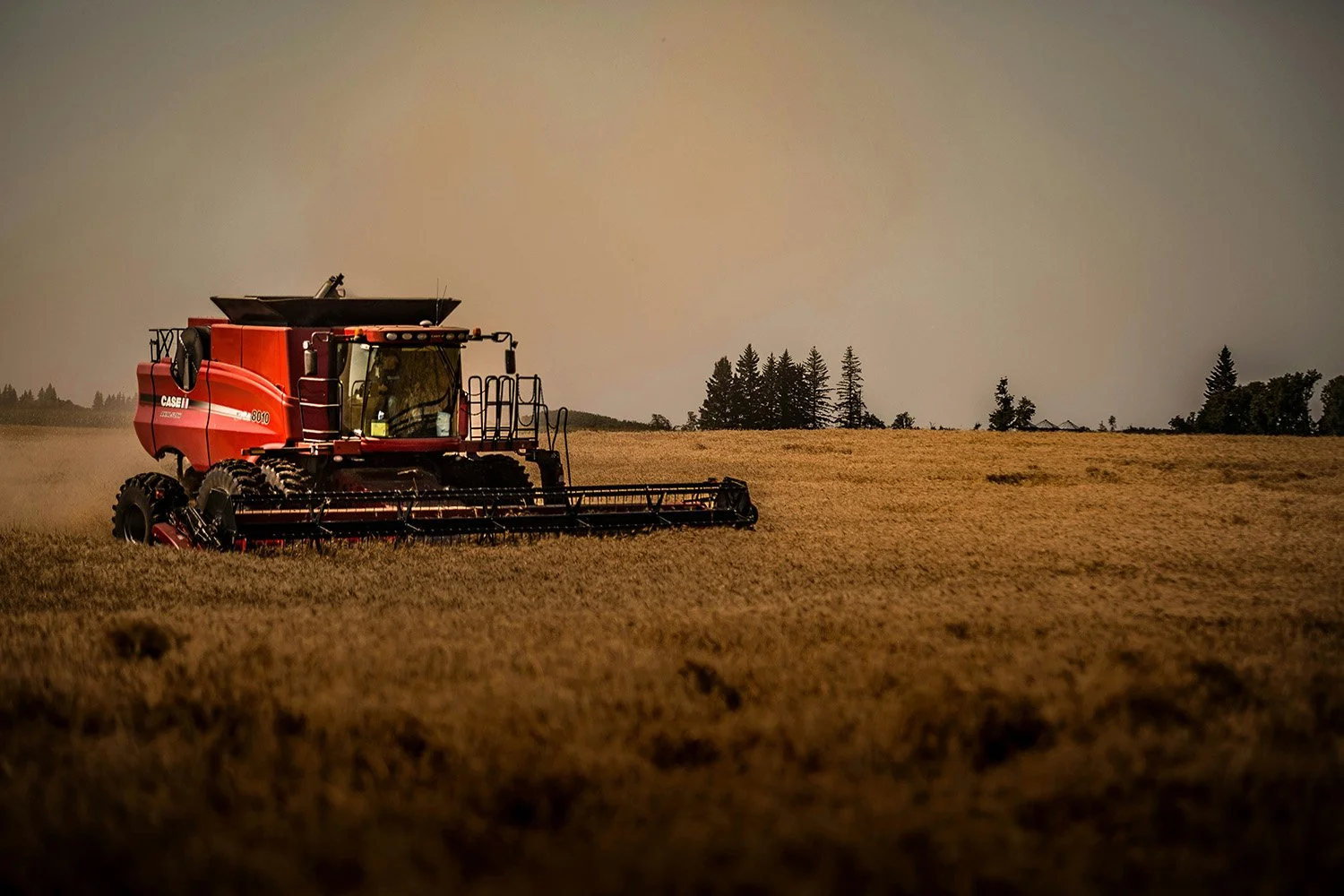
He said prices reached approximately $2.25 per litre during September's harvest period, placing additional pressure on producers already facing uncertain input costs and commodity prices.
"One farmer I spoke to had used 100,000 litres of fuel to get through harvest," Patzer said.
"Grain farmers cannot pass that cost on; they have to pay whatever the current price is. There is no relief for them."
Patzer also pointed to the importance of rural agricultural manufacturers, including Honey Bee Manufacturing in Frontier, Saskatchewan, and irrigation infrastructure supporting agricultural production.
He challenged the government over its commitment to the Lake Diefenbaker irrigation project, which he estimated would cost between $6 billion and $8 billion.
Carol Anstey, Conservative MP for Long Range Mountains, described similar challenges in Newfoundland and Labrador, where rural and coastal communities depend heavily on fuel for transportation, fishing, farming and essential services.
"In Newfoundland and Labrador, we understand this better than most, because we are a province of rural, remote and coastal communities. Goods have to travel long distances to reach us, and many people also travel significant distances for work, groceries, medical appointments and everyday necessities," Anstey said.
She cited a Deer Lake business owner whose diesel costs increased from $1.81 per litre in 2024 to $2.41 in August 2026. The business operates under contracts lasting five to seven years, limiting its ability to recover rising expenses.
Anstey also described a Cormack farmer facing monthly direct diesel costs of $60,000 to $70,000, excluding indirect expenses associated with feed, fertilizer and milk transportation.
She argued that unpredictable energy costs discourage investment, hiring and business expansion in smaller communities.
John-Paul Danko, Liberal MP for Hamilton West—Ancaster—Dundas, acknowledged the financial challenges facing agricultural producers.
"I have a lot of respect for farmers who, day in and day out, find a way to make ends meet and do the job that they care so passionately about," Danko said.
However, he disputed suggestions that federal policy was primarily responsible for rising diesel prices, pointing to the wars involving Iran and Ukraine.
Liberal MP Kevin Lamoureux defended the government's fuel tax suspension alongside measures including the national school food program, dental care and income tax reductions as other affordability measures.
"We understand the importance of diesel in the economy," Lamoureux said.
Responding to questions about prairie agriculture, Lamoureux also highlighted government efforts to expand agri-food exports and improve trade opportunities for canola producers.
"There have been many initiatives brought forward by the government in support of our farmers, and we will continue to work with farmers to do even more."
The Conservatives are calling for broader federal fuel tax reductions until at least Canada Day 2027, along with the elimination of the industrial carbon tax and clean fuel regulations.