
New toolkit aims to reshape small-town planning
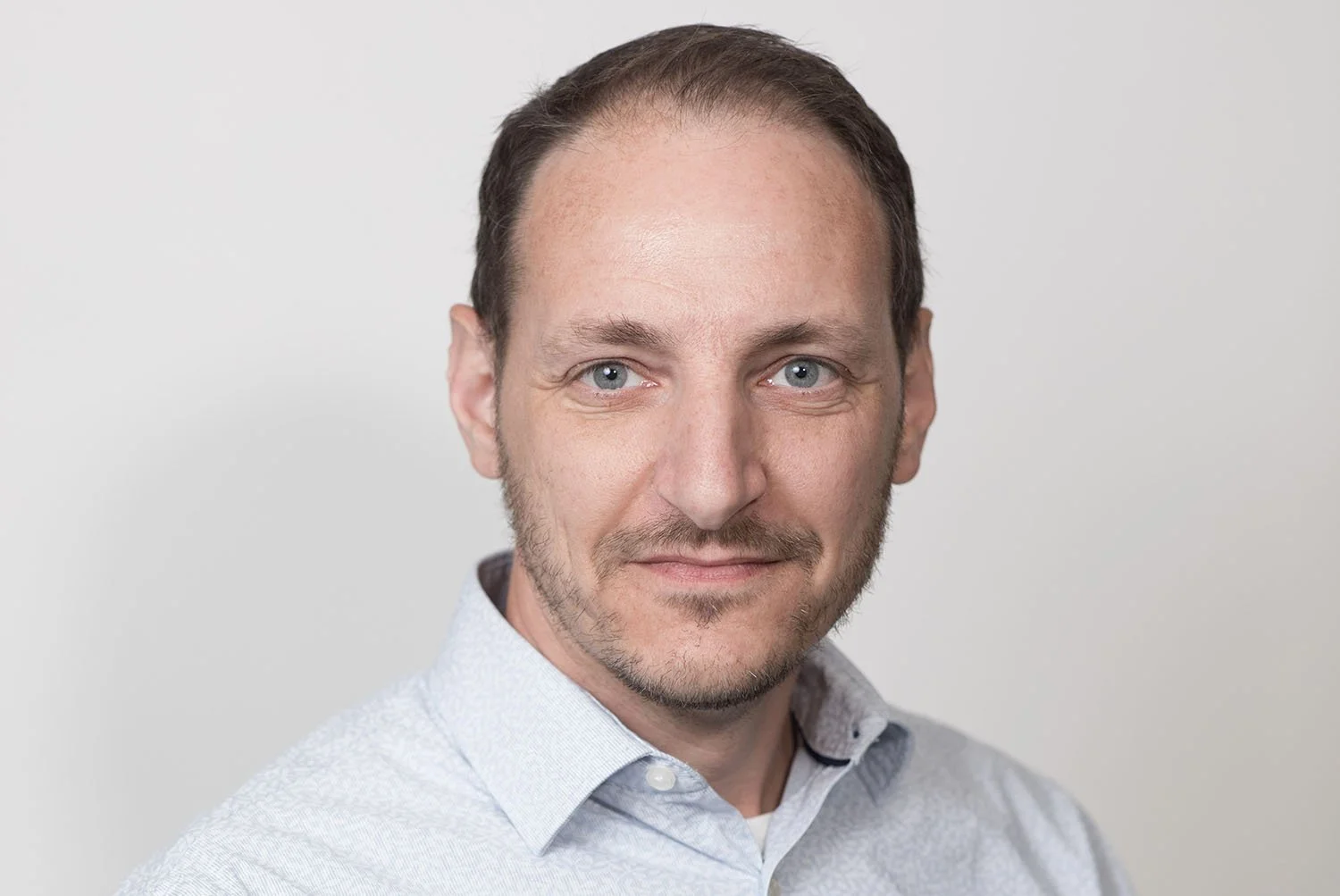
‘Many rural and small-town communities are being asked to solve complex economic and social challenges using planning tools that were never designed for that purpose,’ says Daniel Mercer. / SUBMITTED PHOTO
Small towns across Canada may be meeting provincial planning requirements, but many are still struggling to turn official plans into economic momentum or investment-ready strategies.
Daniel Mercer, a Doctor of Design candidate at the University of Calgary, says that gap between compliance and real-world impact is at the centre of his research. He is developing the PlaceStory Toolkit, a practice-based approach intended to help rural and small-town communities use planning as a driver of economic development rather than a static regulatory exercise.
“In my view, land use planning is very different in rural and urban places, and those differences are particularly pronounced between Northern and Southern Ontario,” Mercer said. “I also believe that planning is at the heart of economic development.”
Mercer brings more than 20 years of experience in the federal public service and municipal government, working in legislation, policy development, and community economic development. Originally from rural Newfoundland and now based in Gatineau, Que., he has longstanding professional ties to Northern Ontario and is a Registered Professional Planner in Ontario and an Urbaniste in Quebec.
He began the Doctor of Design program while leading municipal community planning services and stepped away in 2025 to focus full time on advancing the research.
The PlaceStory Toolkit is designed as a two-step process that first diagnoses the underlying conditions shaping a community’s economic prospects, then translates that analysis into an action-oriented plan. The goal, Mercer said, is to move official plans beyond checklists and toward tools that communities can actually use.
“This work is important because many rural and small-town communities are being asked to solve complex economic and social challenges using planning tools that were never designed for that purpose,” he said.
“Yet official plans are often treated as regulatory checklists rather than strategic instruments for growth, investment, and place-making,” he said. “In rural contexts, where capacity is limited and trust in institutions and particularly planning is fragile, this disconnect is especially damaging.”
The next phase of the research will involve benchmarking between 10 to 15 Northern Ontario official plans using indicators related to community health, economic vitality, and asset-based community economic development. The findings will be used to refine the Toolkit and identify opportunities for municipal pilots and policy innovation.
Mercer said the work is timely, given increasing government interest in Northern development.
“Upper levels of government are looking for communities that know their value and are in alignment,” he said.
“At its core, this research is about aligning community planning tools with economic development objectives in small towns to help create a path forward for sustainable growth that is fiscally manageable.”
The Toolkit examines factors such as governance capacity, infrastructure alignment, land availability, and community narrative, then translates that analysis into implementation steps meant to signal clarity to investors and senior governments.
“By aligning land use planning with economic development goals, the Toolkit helps communities reduce uncertainty, shorten decision-making timelines, and better position themselves to attract capital, talent, and partnerships,” he said.
Mercer has already completed an initial round of key informant interviews through the Doctor of Design program, engaging planners, economic development professionals, municipal leaders, developers, and branding experts in Northern Ontario and beyond.
“Early conversations have been very encouraging,” he said. “A consistent theme is that what works in urban areas for land use planning, especially those in the South, does not necessarily work in small towns that are trying to attract growth.”
He said many communities feel they have a clear vision for their future but lack the tools to act on it.
“Many have expressed frustration that their official plans do not help them make decisions, attract businesses and investment, or explain their value proposition to others,” Mercer said.
The PlaceStory Toolkit is being developed to work within existing official plan requirements and is organized around five components: Conductibility, Desirability, Feasibility, Visibility, and Viability. A strong emphasis is placed on asset-based community economic development.
“Communities work through exercises that identify and map their existing natural, cultural, institutional, and economic assets rather than starting from deficits,” Mercer said.
He added that the Toolkit also reframes public engagement in planning.
“By reframing the official plan as a service, engagement shifts toward shared priorities, sequencing, and trade-offs rather than abstract land-use debates,” he said.
A second round of interviews and further benchmarking work is planned for the new year, focusing on where implementation often breaks down, including infrastructure, funding alignment, and delivery capacity.
“Together, these components aim to reduce uncertainty, attract investment, and help communities move from aspiration to action,” Mercer said.
Mercer is now seeking partners interested in rethinking how small towns position themselves for investment and how planning tools can better reflect how development actually happens on the ground.