Well-being should be central to community success metrics
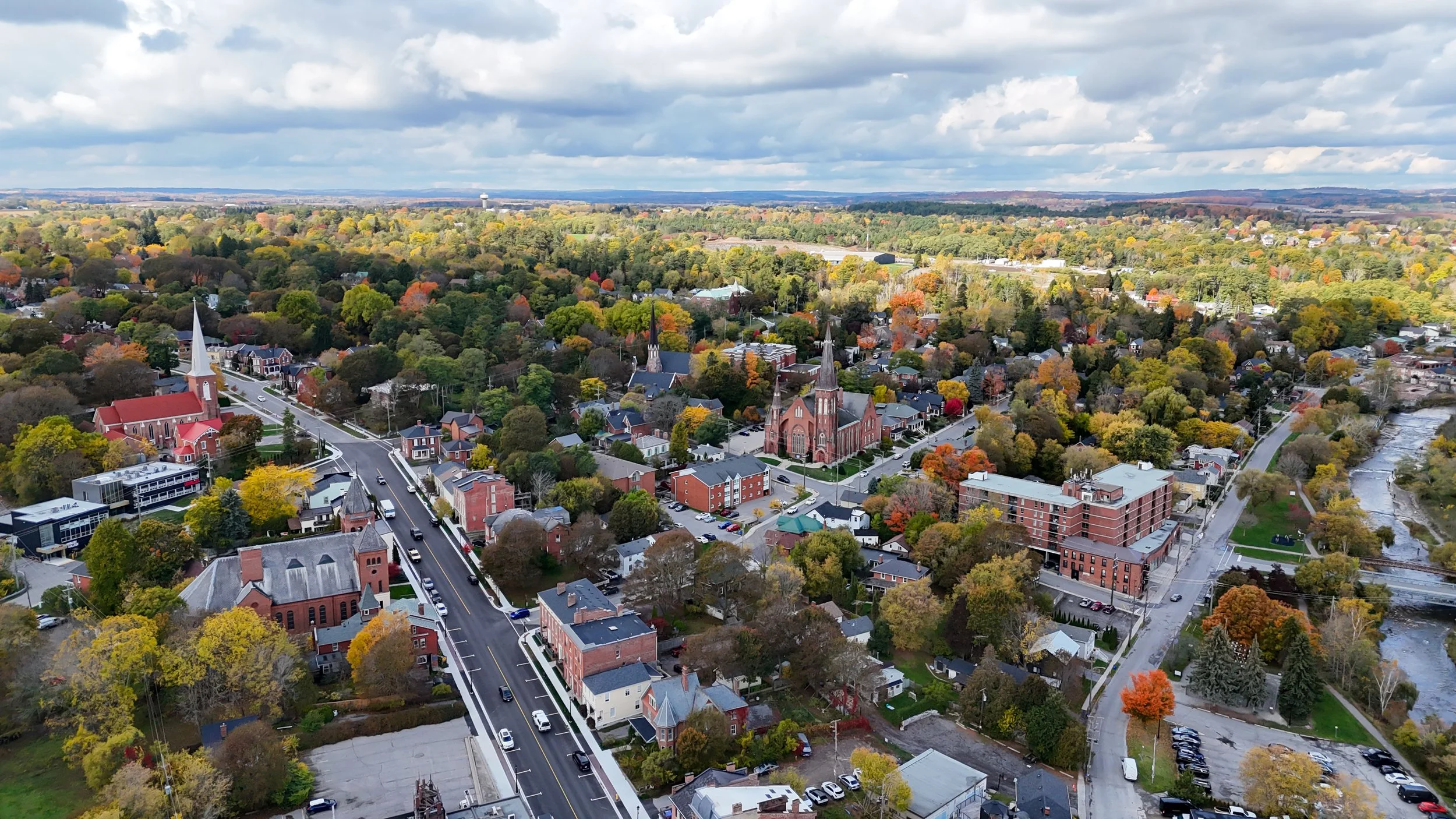
‘Without community well-being, sustainable long-term economic growth becomes much more difficult,’ write Abigail Jackson and Stephanie Ortynsky. / ISTOCK PHOTO
Resilient communities should measure success by well-being rather than relying primarily on GDP growth, write Abigail Jackson, a senior research associate at the Institute for Research on Public Policy, and Stephanie Ortynsky, an associate researcher with the Saskatchewan Urban Municipalities Association (SUMA).
“Without community well-being, sustainable long-term economic growth becomes much more difficult. Studies show that when community quality of life is low, governments pay substantially more for policing, emergency response and acute health care which drains funds away from productive, future-oriented investments,” they write in an op-ed in Policy Options.
They highlight Estevan, Sask., as an example of a community seeking greater control over its economic future and emphasizes that health, education, housing, safety and social connections all contribute to economic resilience. Jackson and Ortynsky note municipalities face barriers such as limited funding, staff, data and expertise, but stronger leadership and collaboration can help overcome them.
They recommend that governments incorporate well-being measures into strategic planning, budgeting and policy decisions, including the creation of “well-being budgets.” They also call for greater provincial and federal support for community infrastructure, research and long-term planning to help communities prepare for economic disruptions. Ultimately, they argue that putting community well-being at the centre of government decision-making can create healthier communities and more sustainable economic growth.
“Rather than treat it as an afterthought or a responsibility of the social sector, we need to put well-being — the thriving state of humans and natural resources such as water, air and land — at the forefront of decision-making as governments decide where to spend ever-crunched public dollars not only for today, but also for the future of our communities,” they write.