Meta data centre could net Alberta $250m a year

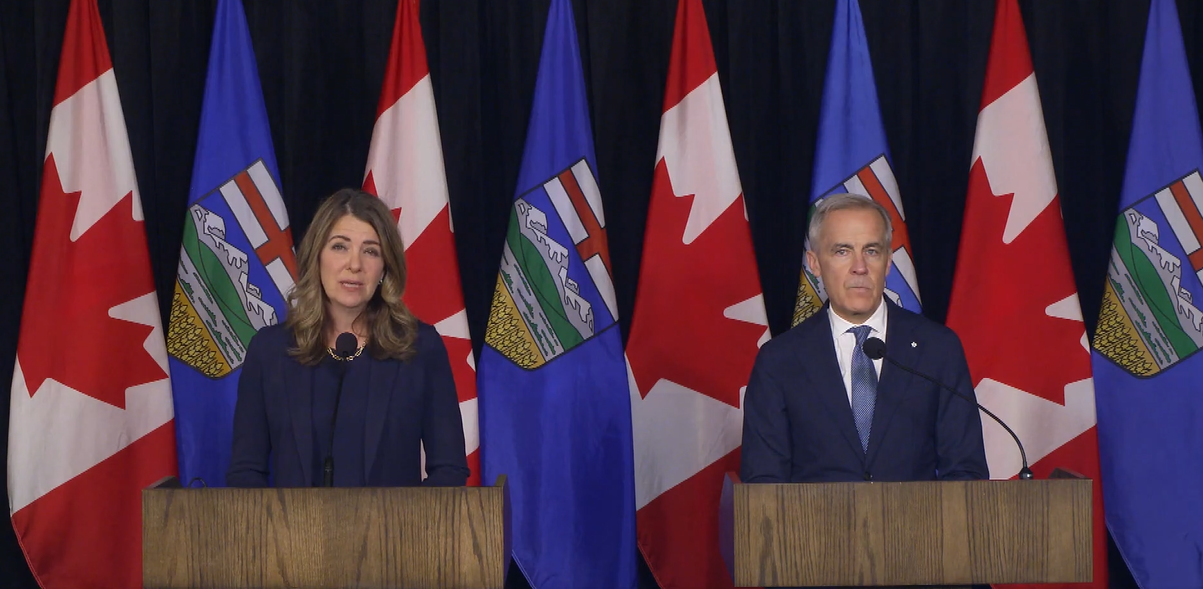
‘Alberta is well on the way to becoming a central player at the heart of the AI revolution,’ says Alberta Premier Danielle Smith. / TWITTER PHOTO
Meta announced it will invest $13 billion to build its first Canadian data centre, a one-gigawatt AI facility in Sturgeon County, Alta., as it expands computing capacity to meet growing artificial intelligence demand.
The project, the company's 33rd data centre globally, will be powered by new electricity infrastructure funded by Meta through a partnership with Pembina Pipeline.
Alberta Premier Danielle Smith praised the announcement, estimating that it would generate $250 million for the provincial government each year. “We believe our province can compete with any jurisdiction on Earth and what we have to offer,” she said. “Alberta is well on the way to becoming a central player at the heart of the AI revolution.”
Meanwhile, a proposed AI data centre project near Grande Prairie is raising new questions about how Canada will balance economic growth with the demands such developments place on land, water and energy. The proposed Wonder Valley AI Data Centre Park, described as the world's largest such development, is facing a legal challenge from Sturgeon Lake Cree Nation over concerns about potential water use and Alberta's duty to consult Indigenous communities.
Sibo Chen, Toronto Metropolitan University Associate Professor, argues artificial intelligence depends on major physical infrastructure rather than existing only in "the cloud," requiring significant amounts of electricity, water, land and other resources. Chen notes the International Energy Agency expects electricity use by AI-driven data centres to more than double globally by 2030, while reporting has also highlighted concerns about water use in some Canadian projects.
The debate over Wonder Valley is about more than economic development, Chen said, noting it is also about "who gets access to water, whose power system is reorganized and whose land and resources are made available for AI infrastructure."
Governments should provide greater transparency about expected electricity demand, water use, emissions, land impacts and consultation before approving major AI projects, he said.