The ‘fight of our lives’ to have rural voices heard in increasingly urban policy world
B.C. salmon farmers’ collaboration with community stakeholders to document the effects of sea farm closures on local communities is a model for other rural industries struggling for federal recognition.
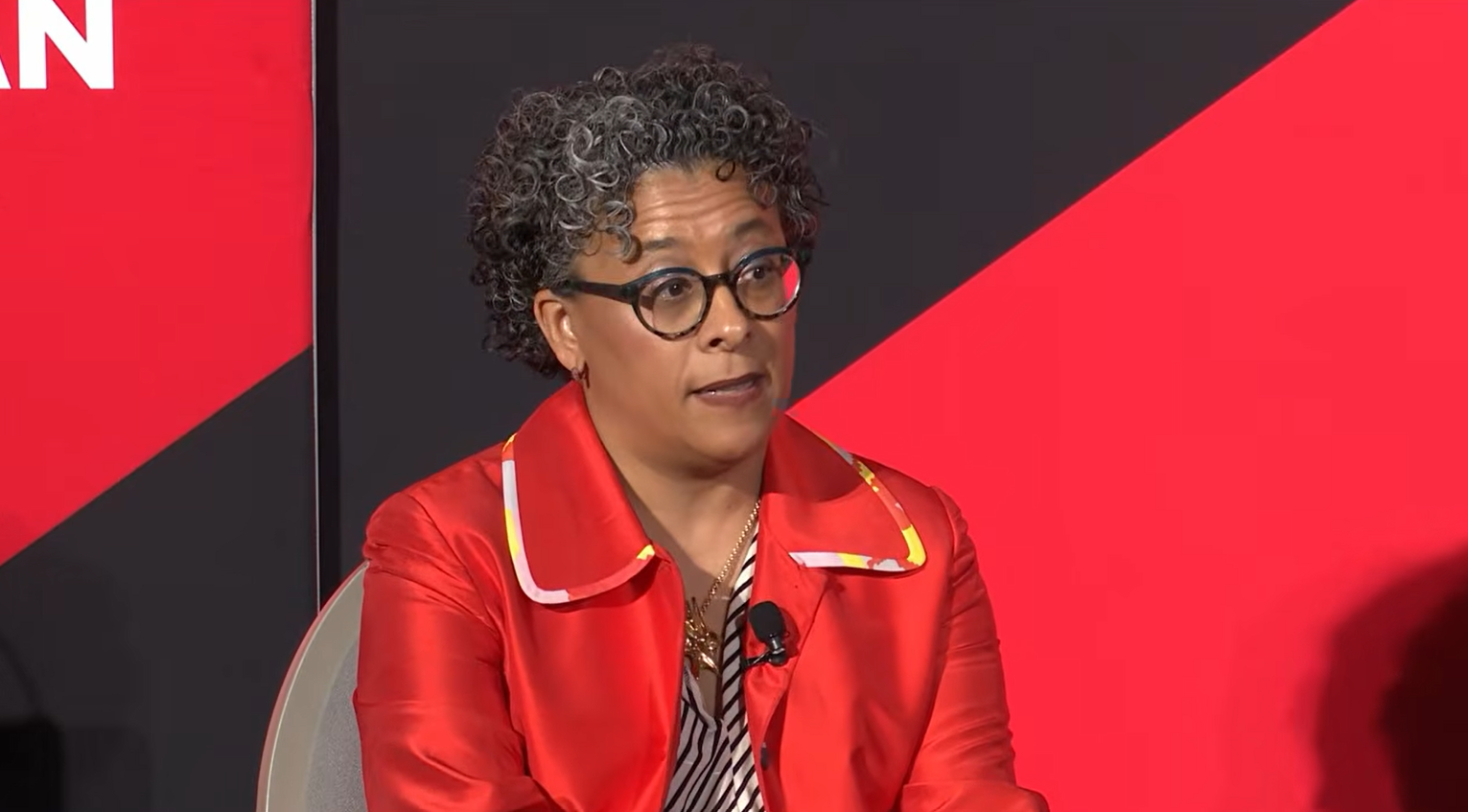
The B.C. Salmon Farmers Association is “doing a remarkable job of trying to sustain not just their industry, but the whole community associated with them,” Ken Coates, a University of Saskatchewan professor, said at the BC agriculture forum on June 25.
Together farmers, workers, municipal groups, businesses and First Nations have drawn attention to the potential economic impacts of salmon farm closures, particularly on Indigenous communities who have used the industry to rebuild their economies and now risk being pushed into poverty.
Every salmon farm in B.C. now operates under an agreement with First Nations, bringing an estimated $134 million in economic benefits to these communities. The industry supports more than 4,500 full time jobs and generates $1.17 billion in economic activity.
Advocacy has grown more urgent as the federal government reviews a Trudeau-era plan to end marine salmon farming in B.C. by 2029, despite evidence that the sector poses minimal risk to fish stocks.
Rather than halt farming entirely, the Coalition of First Nations for Finfish Stewardship urged the federal government to implement an Indigenous-led licensing, science and stewardship system that would give First Nations a central role in approvals and expand Indigenous ownership.
However, Coates said more coalition building is needed to have rural perspectives heard in an increasingly urban-focused policy system. “This is the fight of your lives,” he said. “Agriculture is the bridge. It is the glue that should hold this country together.”