Tourism ‘anchors rural economies’: Sen. Tannas
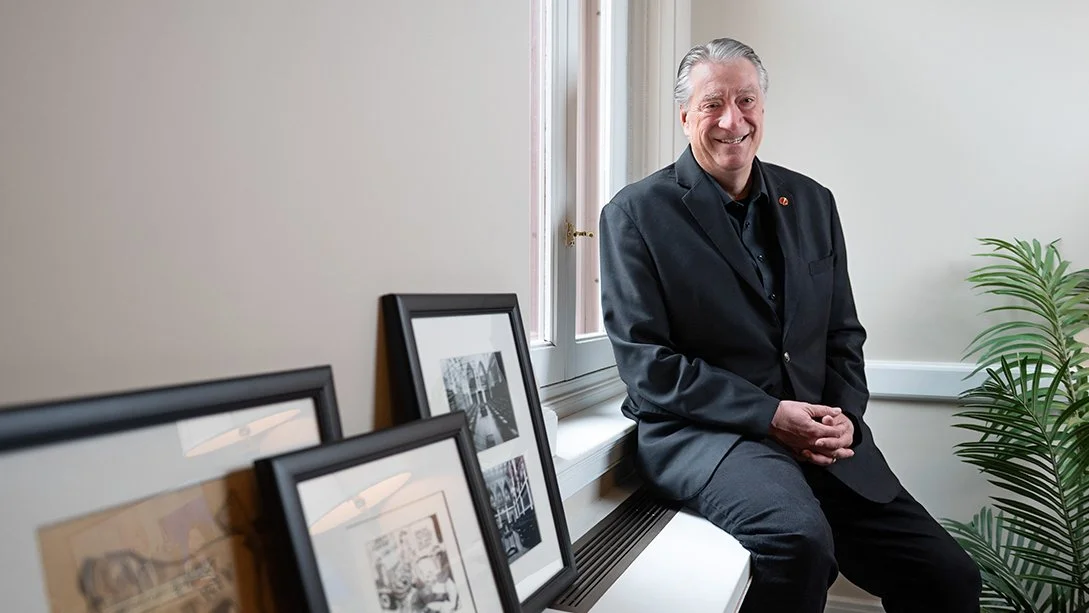
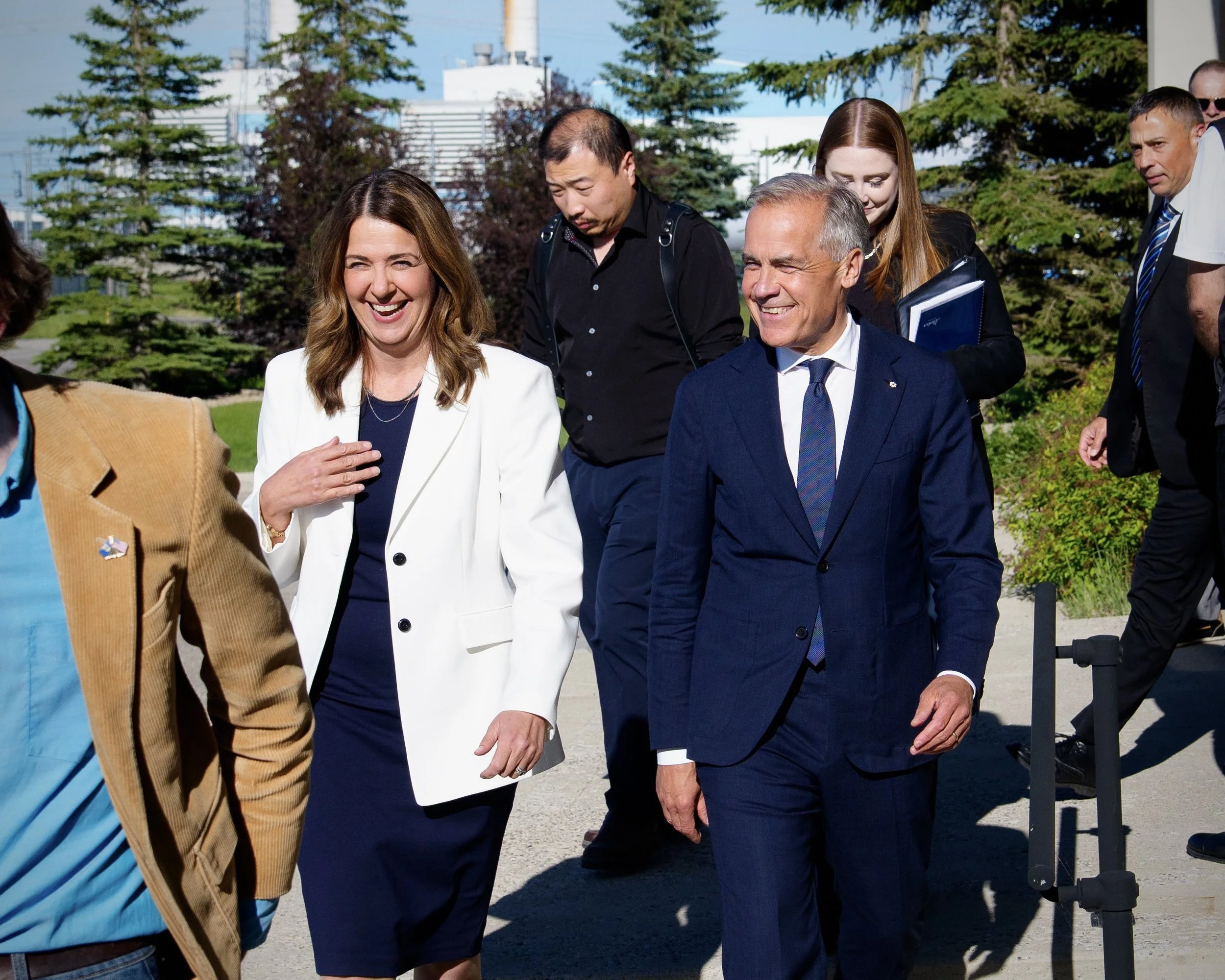
The tourism sector allows Canadians to ‘meet the people who grow their food’ while giving producers new sources of revenue, says Senator Scott Tannas. / SENATE OF CANADA PHOTO
Tourism can strengthen rural Canada by supporting local economies, preserving heritage and connecting urban residents with agricultural communities, says Senator Scott Tannas.
Speaking during a debate on tourism’s “nation-building value,” Tannas said agriculture “anchors rural economies and shapes the landscapes that define our country,” but can appear “distant and abstract” to many Canadians living in cities.
He said agritourism helps close that gap as farms, ranches, orchards and vineyards welcome visitors. According to Tannas, the sector allows Canadians to “meet the people who grow their food” while giving producers new sources of revenue.
He said studies show agritourism “contributes to local job creation, supports small businesses in their development, strengthens municipal tax bases and drives economic activity in rural and underserved communities.”
Tannas also pointed to screen tourism as an economic opportunity for smaller communities, highlighting High River, Alta., where the television series Heartland is filmed.
“It is stunning how much business our little town gets from people who come and stay to visit places from Heartland,” he said, describing visitors arriving from Holland, Germany and all across Canada and the United States.
He noted Alberta communities including Vulcan, Fort Macleod and Waterton have also benefited from visitors drawn to film and television locations.
Tannas said tourism benefits extend beyond spending, helping communities share their stories and identity. “By supporting agricultural tourism, we reconnect with the land and with one another,” he said. “By embracing screen tourism, we share our stories with the world and invite others to experience them first-hand.”
Senator Duncan Wilson also told the Senate that tourism plays a key role in supporting rural and remote communities in British Columbia, calling it an economic engine during a period of trade uncertainty.
Tourism revenues sustain local infrastructure
Wilson said more than “95 per cent of our tourism business operators are small and medium-sized enterprises spread across every riding in the province.” He said that means tourism benefits are “widely distributed and support rural, coastal, mountain and remote communities.”
Wilson said tourism revenues help sustain local infrastructure, cultural events and recreational facilities year-round. He added that industry demand has also driven investment in “airports, highways, ferries, ports, convention facilities, trails, parks and public spaces.”
He said tourism can help offset economic pressures facing traditional export sectors such as softwood lumber, arguing governments should view it “as a strategic trade asset, rather than merely a hospitality activity.”
Wilson also highlighted the role of Indigenous tourism in rural and remote regions. British Columbia is home to 204 First Nations and more than 400 Indigenous tourism-related businesses, he said, offering experiences ranging from art galleries and cultural centres to wildlife tours and wellness retreats.
“These types of Indigenous-owned and -operated experiences are not only an awesome pathway to reconciliation but also an important step towards economic self-determination through own-source revenue,” Wilson said.
Promoting travel beyond urban centres, Wilson encouraged visitors to “explore the desolate beauty of B.C.’s north,” “stay at a fishing lodge on one of our many spectacular coasts,” and “roam the beaches of Vancouver Island.”
“We can all sense that Canada is increasingly being seen as a cool place to visit. With the Prime Minister’s speech in Davos, topped off with a touch of gay hockey romance on Crave, Canada is no longer just cool; it’s hot. Let’s leverage that hotness and invite the world to come for a visit,” he said.
Indigenous tourism
Meanwhile, Indigenous tourism operators in northern Saskatchewan are redefining visitor experiences by prioritizing cultural education over entertainment, as Canada’s growing Indigenous tourism sector seeks more authentic models.
At kâniyâsihk Culture Camp on Ministikwan Lake Cree Nation territory, guests are invited to learn traditional Cree survival skills such as tanning elk hides with boiled moose brains, preparing fish, and understanding the role of language and seasonal knowledge, The Globe and Mail reported. Founder Kevin wâsakâyâsiw Lewis said the camp was created to preserve traditions for younger generations, with visitors welcomed as students rather than tourists. Sacred ceremonies remain reserved for community needs, while alternative wellness experiences are offered to outsiders.
The camp is pursuing accreditation through the Indigenous Tourism Association of Canada (ITAC), which launched a certification program in 2022 to help travelers identify authentic Indigenous-led experiences. ITAC says 278 businesses have been certified so far.
According to a 2025 Conference Board of Canada report, Indigenous tourism revenues remain below pre-pandemic 2019 levels, but the number of operators has risen sharply from about 1,900 in 2021 to more than 2,750 in 2023. The sector aims to contribute $6 billion annually to Canada’s GDP by 2030.