Alto high-speed rail project could divide urban and rural Canadians
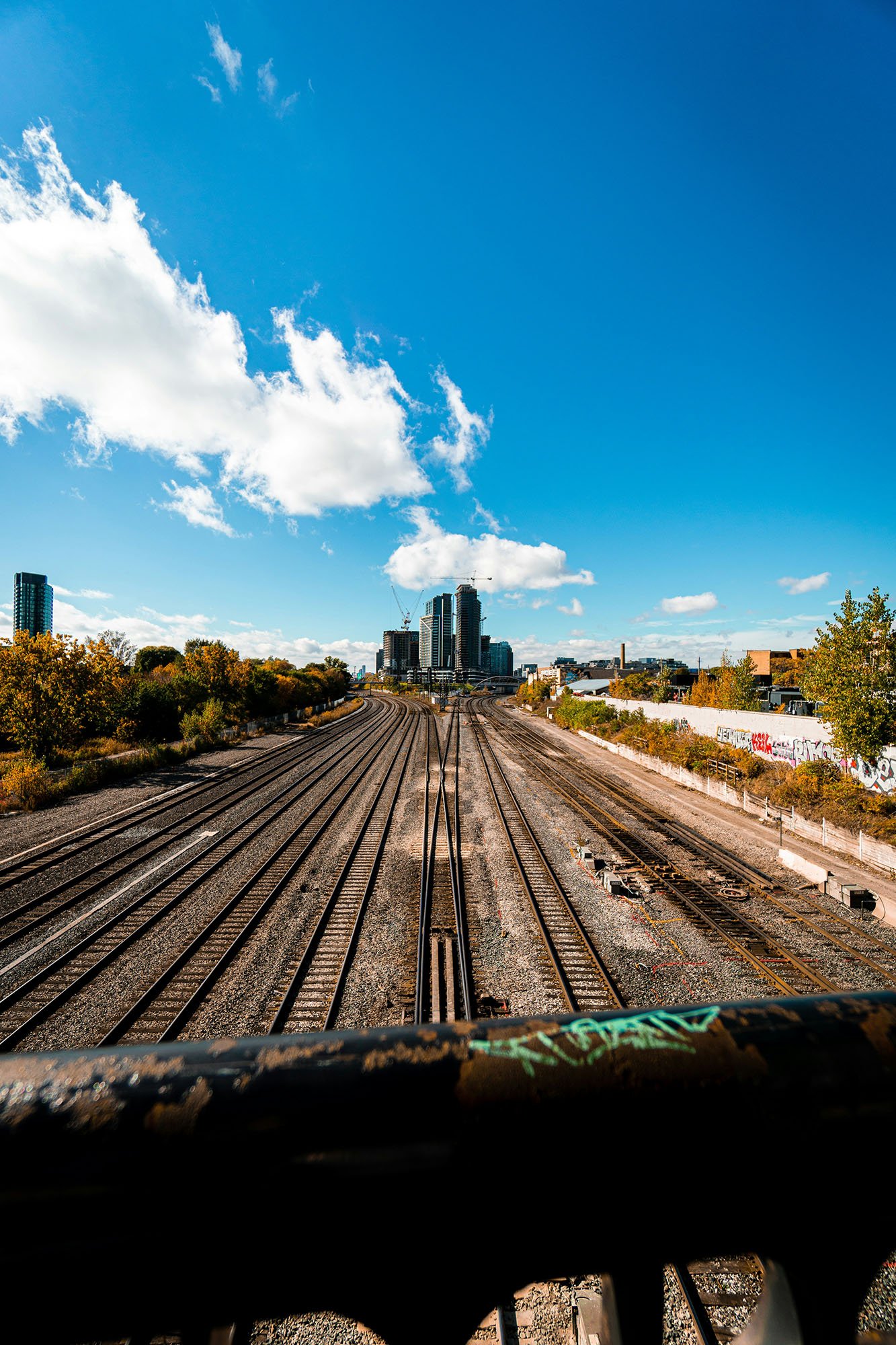
The Alto high speed train intends to connect Toronto, Peterborough, Ottawa, Montréal, Laval, Trois-Rivières and Québec City. / UNSPLASH PHOTO
The proposed Alto high-speed rail project, designed to run at speeds up to 300 km/h between Quebec City and Toronto, could drive a wedge between urban and rural Canadians as the communities set to benefit from the link will do so at the expense of those who would bear its costs, says Senator Andrew Cardozo.
“My concern is that we could end up with a debate that’s rural folks versus urban folks,” Cardozo, a member of the Progressive Senate Group, said during debate on Bill C-15, the Budget Implementation Act, on March 9. “Urban dwellers will benefit most from this high-speed rail,” he said.
“There is not enough information that Alto has shared so far, and certainly when you are dealing with expropriation on this large scale, there will be some inconvenience felt, whether it’s to individual farms or entire communities,” he said.
“Given the kinds of exemptions that we’re giving in this bill, how can we ensure that Alto conducts adequate consultation with people?” he asked, also suggesting existing rail corridors as a possible alternative to minimize disruption.
Senator Sandra Pupatello, sponsor of the bill, responded by emphasizing that key decisions, including the exact route, have not yet been finalized.
“First, there is not yet a defined route,” she said. “Until they actually determine the route, then they would move to the next step of public consultation.”
Anxiety rising over looming expropriations
Pupatello added that expropriation measures under the legislation would align with existing provincial frameworks in Ontario and Quebec and pointed to past infrastructure projects as examples of fair treatment for affected landowners. Still, she acknowledged the unease caused by uncertainty: “It will not provide solace, I think, given the uncertainty that is there today because a route has simply not been selected.”
Concerns about the impact on agriculture were echoed by Senator Robert Black, who asked how farmers should prepare for a project that could cut through their land.
“What do we tell farmers who reside, have properties and conduct business between Toronto and Quebec City… and who have told us that, in fact, this high-speed rail will split their farms — or could split their farms — and make their farming operations unsustainable and not financially viable?” he asked.
Pupatello acknowledged the concern, noting that many of the messages she has received come from rural Canadians. “There are benefits that might be seen by the large populations around urban settings, but the impact will certainly be felt by our rural communities where the train will actually be going through,” she said.
She stressed that meaningful consultation will be essential once a route is chosen. She also noted concerns already raised by local officials about how infrastructure decisions could affect small towns.
Black further sought assurances that farmers would be fully engaged in the process. “Can you confirm that when the time comes, there will be frank, open, honest and long dialogue with those folks who are farming today and may, in fact, not be able to do so in the future?” he asked.
Largest, most-complex project in a generation
During a Senate National Finance Committee meeting on March 11, Transport Minister Steven MacKinnon said the government will consult with those affected. “Since this is the largest and most complex infrastructure project in a generation, consulting with local communities will also be essential,” he said. “The project seeks to minimize impacts on individual landowners, while recognizing the realities of building such an extensive and complex rail network.”
He said the first round of consultations held by Alto received more than 26,000 comments on the online portal.
“The high-speed rail network is an investment in Canada’s future: connecting communities, creating tens of thousands of jobs and driving enormous economic growth,” MacKinnon said. “Our country cannot afford to miss this opportunity.”
At committee, Cardozo said the government has given Alto a “free pass” to “fast track” the project. He reiterated his concern that the debate could pit rural residents against urban ones. “You, as a government, need to be aware of that and be concerned about that kind of division that can happen,” he told MacKinnon. “How do you ensure that the rural residents are treated fairly?”
MacKinnon responded that negotiations will be made “respectfully on a willing-buyer, willing seller basis” and that a priority will be put on not “cutting fields or farms in two.”
“Where there are rural roads, accesses, or wildlife or livestock passages, we will try to make — not try — we will make provisions for those things,” he said.
“We will be consulting with adjacent communities, rural communities and others,” he said. “What can rural residents see in this project? I believe they will see what all Canadians see, which is a project on the scale of the St. Lawrence Seaway, on the scale of some of the great infrastructure projects that we have managed to undertake as a country. They can imagine they or their children, as they get to an airport today, getting to an Alto station and using that as tourists, as businesspeople, as students, as people who are curious about this mode of transportation. The benefits will accrue to them in the same way the benefits of other transportation modes accrue to them today.”